



Scyphate Gold Bowl
The gold bowl named Scyphate was created between 1059 and 1067, belonging to the Byzantine Empire period, which was Byzantine art in the 11th century. It is a shallow bowl commonly used for drinking alcohol or as a ceremonial utensil. With a diameter of 2.5 centimeters and made of pure gold, it showcases the exquisite metal craftsmanship and decorative art of the Byzantine period. Byzantine art is renowned for its ornate decorations, religious themes, and symbolism, and was used in religious ceremonies or court celebrations at the time. The design and production reflect the emphasis on refined living and religious beliefs in Byzantine culture. It is currently housed in the Cleveland Museum of Art.

Collins Bowl - Bonn University Academic Art Museum
The Corinthian bowl collected by the Academic Art Museum of the University of Bonn is an ancient Greek pottery dating back to around 575 BC, representing the pinnacle of pottery production during the Corinthian period. The excavation location of this bowl is unknown, but its exquisite craftsmanship and decoration showcase the superb skills of ancient Greek potters. The bowl wall is very thin, the bottom is low, the belly is spherical, the mouth edge is noticeably outward sloping, and there are handles installed horizontally on both sides. The bowl is adorned with a circular decorative strip, with two to three groups of warriors depicted on one side and riders galloping to the left on the other side. These patterns not only beautify pottery, but also reflect the wars, myths, and nature worship of ancient Greek society

Curved bowl with geometric patterns
It is a representative work of the Mimblesmogolon culture in Cameron Creek Village, New Mexico, created between 1000 and 1130 AD. It is made of ceramics and talc. The characteristic is its unique geometric design, which showcases the exquisite craftsmanship of the Mimbules Mogolon culture in ceramic art. The surface of the bowl is decorated with exquisite geometric patterns, which may have specific cultural or symbolic meanings. This artwork is part of the collection of the Charles Hackney Endowment Fund at the Cleveland Museum of Art. It is currently housed in the Cleveland Museum of Art.

East Asian Modern Elegant White Ceramic Curved Bowl

Popular Models
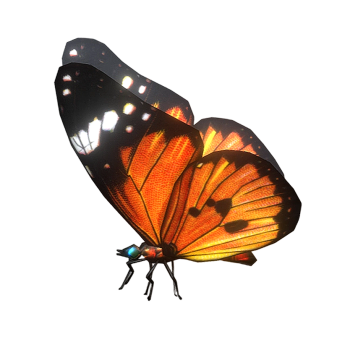
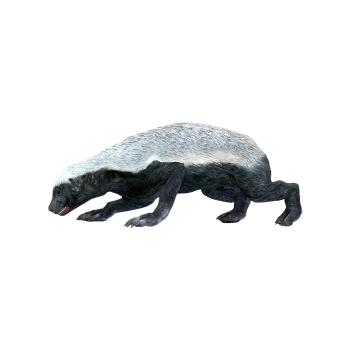
Honey Badger (3D animated model)
192 View
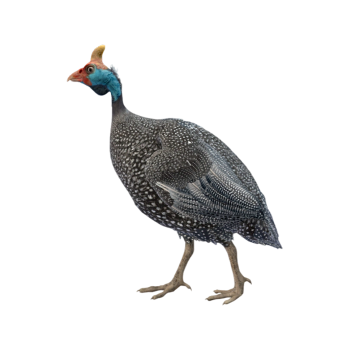
Guinea fowl (3D animated model)
163 View
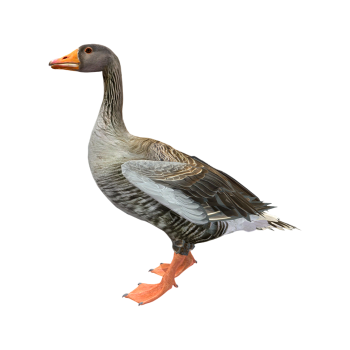
Wild Goose (3D animated model)
185 View
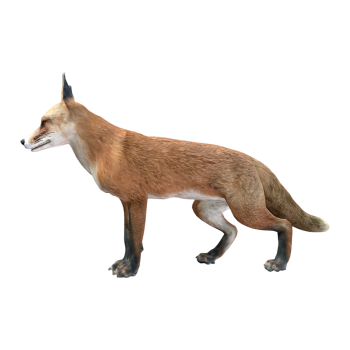
Red Fox (3D animated model)
153 View
Random Model
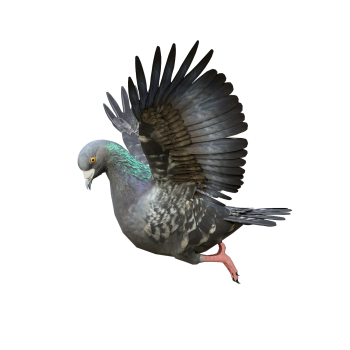
Flying pigeon model with 3D animation
1222 View

Rice specimens
1134 View


3D animation of Tyrannosaurus rex model
1384 View
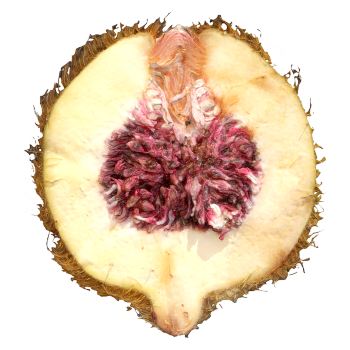
3D model of Huangmaorong fruit
962 View
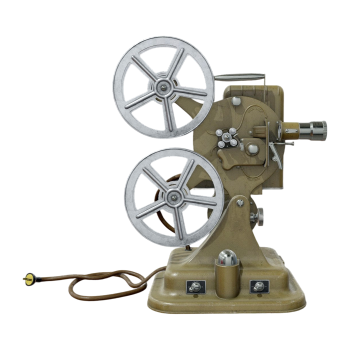
vintage movie projector
700 View


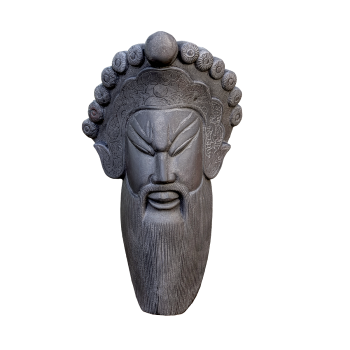
Guan Yu - Dark Wood Carving
934 View
